
Discover the historical secrets of Hoi An Ancient Town - Origin, history of the old town and stories behind the unique Covered Bridge
29 November 2023 · 7 min read
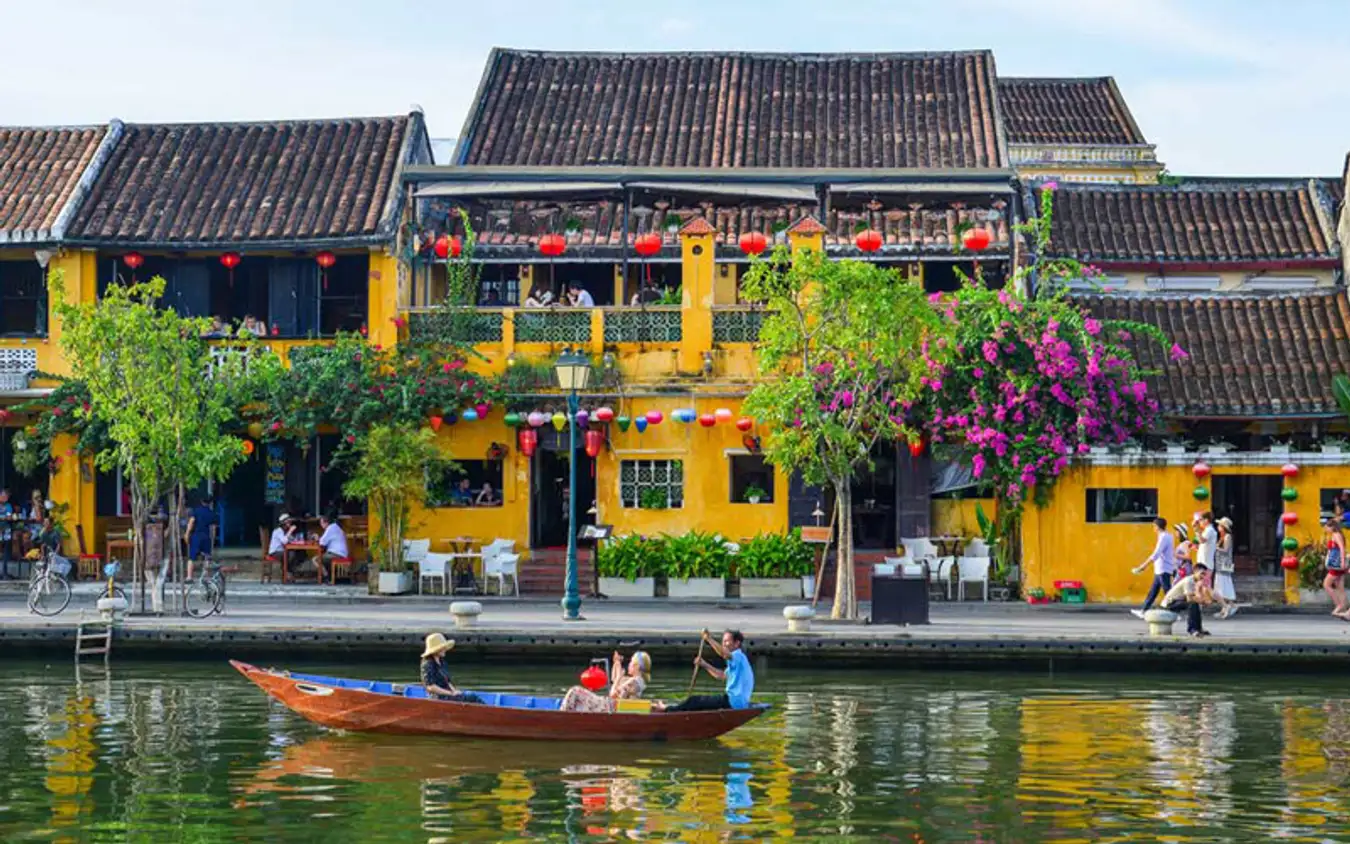
Explore the Origin and History of Hoi An Ancient Town: A Journey Through Special Pages
The Origin of Hoi An Ancient Town - Hoi An Ancient Town is located in Quang Nam province, Vietnam, approximately 30 km south of Da Nang city, with extremely convenient transportation, making it one of the renowned historical tourist destinations. Its origin is closely related to international trade and cultural development.
- International Trade - Hoi An Ancient Town emerged in the 15th century as a vibrant trading center along the Silk Road, connecting Asia and Europe. Merchants from China, Japan, India, and many other countries brought unique goods, creating a remarkable cultural diversity.
- Hoi An's Role in Commercial History - Hoi An quickly became a crucial international trade port, adorned with ancient stone-paved streets and unique old-town shops. It served as a hub for cultural and goods exchange between nations, contributing to the economic and cultural development of the region.
History of Hoi An Ancient Town
- Fluctuations and Architectural Diversity - With the rise and fall of international trade, Hoi An Ancient Town has experienced various historical phases. However, its architectural diversity remains an emblem of cultural collaboration and blending among different ethnic groups.
- Historical Sites and Museums - Today, Hoi An Ancient Town is a UNESCO-recognized historical site. Ancient restaurants, temple gates, and old houses serve as living museums, narrating history through ancient Swedish brick columns and antique mirrors.
- Dynastic Imprints - Hoi An Ancient Town also preserves the imprints of various Vietnamese dynasties, from the Nguyen dynasty to the Tay Son dynasty. Historical sites such as Cau Pagoda and Quan Cong Temple are significant symbols, recounting history through the ages.
- Name - Westerners used to refer to Hoi An as "Faifo," meaning a trading town with a port. However, this was just a colloquial name and not considered the official title.
Explore the Fascinating Story of Hoi An's Japanese Covered Bridge - A Journey Through the Hidden History Behind Every Corner
Holding a polymer 20,000 VND note in your hands, did you know that it features a landmark? The image is of the culturally significant and sacred Chua Cau, also known as the Lai Vien Kieu or Japanese Bridge. The bridge is a testament to the historical and architectural blend of three nations: Japan, Vietnam, and China.

- Enigmatic History - Built around the 17th century by Japanese merchants, the Japanese Covered Bridge has witnessed numerous ups and downs in Hoi An's history.
- Chua Cau and the Name Lai Vien Kieu - The name Lai Vien Kieu was given by Lord Nguyen Phuc Chu in 1719 during his visit to Hoi An, meaning "Bridge welcoming distant guests." Chua Cau became a symbol of open arms, welcoming visitors from afar.
Architectural Evolution - The exact construction date of the bridge remains uncertain, but historical records on beams and inscriptions suggest its reconstruction in 1817, followed by continuous renovations. Consequently, the original Japanese influence on the bridge eroded, giving way to a more pronounced blend of Vietnamese and Chinese architectural styles.
Mysterious Connection with Namazu - Legend has it that the bridge's establishment is linked to the mythical sea creature Namazu from Japanese folklore. It is believed that this creature's head lies in India, body in Vietnam, and tail in Japan. Whenever it wriggles, causing the ground to shake, it leads to natural disasters like earthquakes and tsunamis. The Japanese, eager to control the creature for a peaceful life, sought a feng shui master when they noticed the creature's back emerging in the Thu Bon River.
- Symbolism and Iconography - Chua Cau features two statues of a dog and a monkey at its entrance, marking the bridge's construction period. These symbols are also considered representations of Phu Tang. Some theories suggest these are ancient Phu Tang symbols, while others propose they represent the years of construction - the Year of the Monkey and the Year of the Dog.
In 1990, Chua Cau was recognized as a National Historical and Cultural Monument. Beyond its spiritual significance, the bridge plays a crucial role in transportation. Over the years, the bridge has become an invaluable asset and the official symbol of Hoi An.
Hoi An Ancient Town is a historical museum, preserving the traces of time and the secrets hidden in every corner. Each historical site is like an open book unfolding before the eyes of visitors, allowing them to immerse themselves in the mysterious atmosphere of the past.
Hoi An - Journey to Explore Unique Ancient Houses and Assembly Halls
Hoi An is not just an ancient city; it is a treasure trove of unique ancient houses and assembly halls where exquisite architecture and rich history converge. Let's delve into some of these distinctive ancient houses and assembly halls.
Tan Ky Ancient House
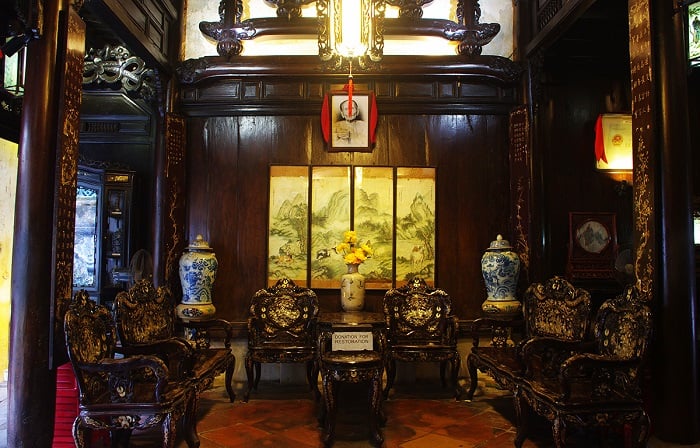
- Noteworthy for its delicate blend of Vietnamese, Chinese, and Japanese architecture. Decorative details, windows, and house gates reflect the cultural diversity and fusion. Built in the 19th century,
- Tan Ky Ancient House has witnessed historical and international trade fluctuations. Once the residence of the Le family, its front section was utilized for trading, while the rear was reserved for receiving goods.
- Tan Ky Ancient House is an integral part of the national cultural heritage, symbolizing cultural fusion and the developmental history of Hoi An.
- It has had the honor of hosting national and international dignitaries, demonstrating its importance in preserving and promoting cultural heritage.
Phung Hung Ancient House
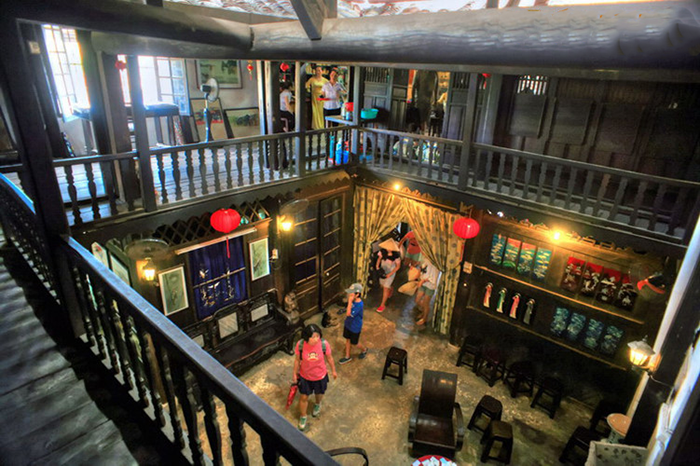
- Phung Hung Ancient House - A historical and cultural icon in Vietnam, over 100 years old and constructed in the 19th century.
- Its uniqueness lies in the elegant combination of three major cultures: Japanese, Chinese, and Vietnamese. This uniqueness is evident in interior decoration, attic architecture, and especially the wide corridors surrounding the house. The attic, made of tall wooden beams, creates an impressive and sophisticated space. The wide corridors surrounding the house are not only artistic but also a distinctive feature of East Asian architecture.
- Phung Hung Ancient House stands out as a masterpiece, showcasing the characteristic carvings on sturdy wooden structures. Its cultural and artistic significance is further enhanced by the unique raised patterns using ceramics and porcelain, creating a lavish and distinctive decorative space.
Chaozhou Assembly Hall
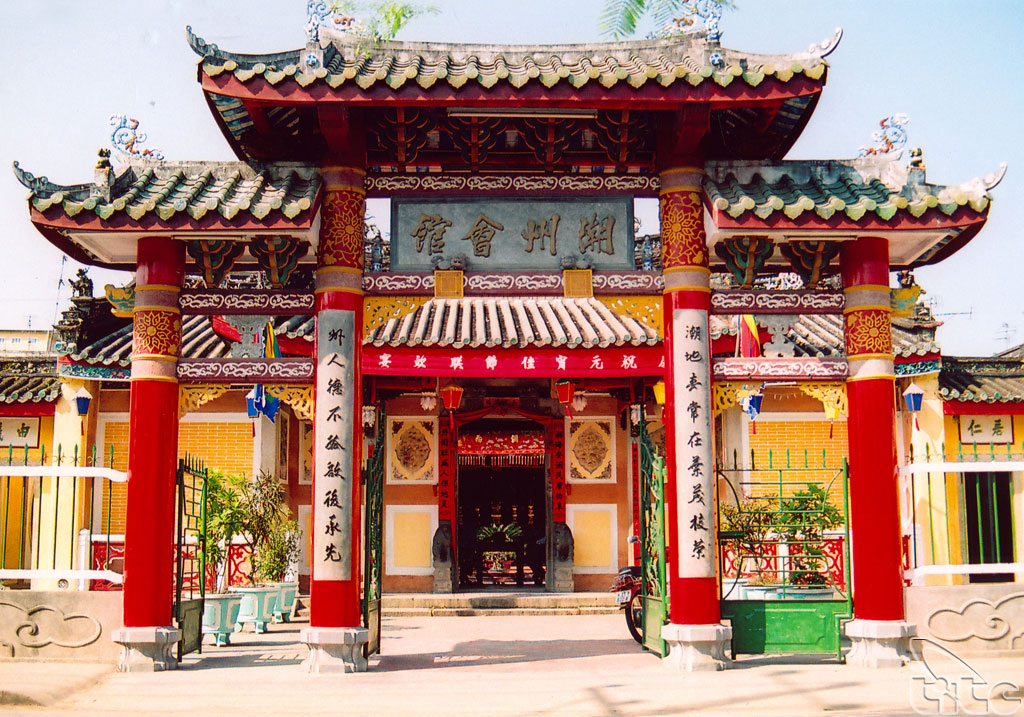
- Fujian Assembly Hall, also known as Ong Pagoda - One of the oldest and most remarkable architectural structures in Hoi An's ancient town. With its unique architecture and exquisite artistry,
- Fujian Assembly Hall is a special attraction for visitors. The hall has a long history, marking the prosperity of the Chinese community in Hoi An since the 17th century. The architecture of Fujian Assembly Hall is a masterpiece, with delicate carvings on sturdy wooden structures.
- The art of embossing floral patterns with ceramics and porcelain is a unique feature of Fujian Assembly Hall. The sharp and detailed patterns create a splendid and distinctive decorative space. As one of the long-standing structures,
- Fujian Assembly Hall has been recognized as a national cultural heritage, preserving and certifying the cultural value of Hoi An. Like all temples, Fujian Assembly Hall is also a place of spiritual expression, preserving Buddhist teachings and mantras over time.
The Discovery Journey with TravelBus
To explore Hoi An, your journey is not just a return to the past but also a modern, convenient adventure. And your reliable companion on this journey is TravelBus - the leading travel bus booking platform in Vietnam.
TravelBus is not just a simple bus ticket booking service; it's also a trustworthy travel companion. With its flexibility, user-friendly interface, and a variety of routes, TravelBus provides a smooth and convenient travel experience for every journey. By booking tickets online, you'll enjoy discounts and quality services, ensuring safe and comfortable travels.
- Khám Phá Hội An
- Hội An
- Du Lịch Hội An
- Nguồn Gốc Hình Thành Phố Cổ
- Tên Gọi Chùa Cầu
- Bí Ẩn Chùa Cầu Hội An
Found this useful?
Keep reading

Enjoy a Wonderful Journey in Hoi An - Old Town Travel Experience From A to Z
Immerse yourself in the journey of discovering Hoi An Ancient Town, where history and culture meet, every street corner is a story. Start your journey to discover Hoi An through colorful paintings.
27 November 2023
Top 4 Activities Not To Be Missed When Coming To Hoi An
Hoi An Ancient Town is an ideal destination with a romantic atmosphere, ancient architecture, and a unique cultural background. Recognized as a UNESCO World Heritage Site located in Hoi An City, Quang Nam Province, Vietnam, the ancient quarter is situated in Minh An Ward. This is an unmissable location when exploring Central Vietnam. Renowned for its charming ancient streets, Hoi An also captivates visitors with its flexible combination with the coastal city center of Da Nang, which is only about 30km away. Travelers often enjoy a diverse range of experiences, from exploring historical sites in Hoi An to relaxing on the beach and discovering modern culture in Da Nang.
20 November 2023
BEYOND THE FAMOUS SPOTS: WHICH HIDDEN GEMS OF VIETNAM WILL YOU DISCOVER NEXT?
When you think of traveling in Vietnam, do you usually think of Hanoi, Da Nang, Da Lat, Sapa, or Ninh Binh? 🌏✨ But Vietnam has so many beautiful, less crowded, and surprising destinations waiting for you to discover! 💚 🌊 Phu Yen – stunning blue seas and rocky cliffs. ⛰️ Gia Lai – pristine, peaceful highlands. 🏖️ Quy Nhon – beautiful beaches and a gentle pace of life. ✨ Sometimes, the less-talked-about places create the most memorable journeys! From crystal-clear beaches and breathtaking mountain roads to peaceful villages and unique local cultures, every destination has its own story to tell. 🌊 Phu Yen – turquoise beaches, dramatic rock formations, and stunning coastal roads. ⛰️ Gia Lai – peaceful highlands, untouched nature, and rich local culture. 🏖️ Quy Nhon – beautiful beaches, fresh air, and a laid-back atmosphere. ✨ Sometimes, the lesser-known places become the most unforgettable part of your journey. So, after exploring Vietnam’s famous destinations, where will you go next? 🚌💚
06 September 2026